
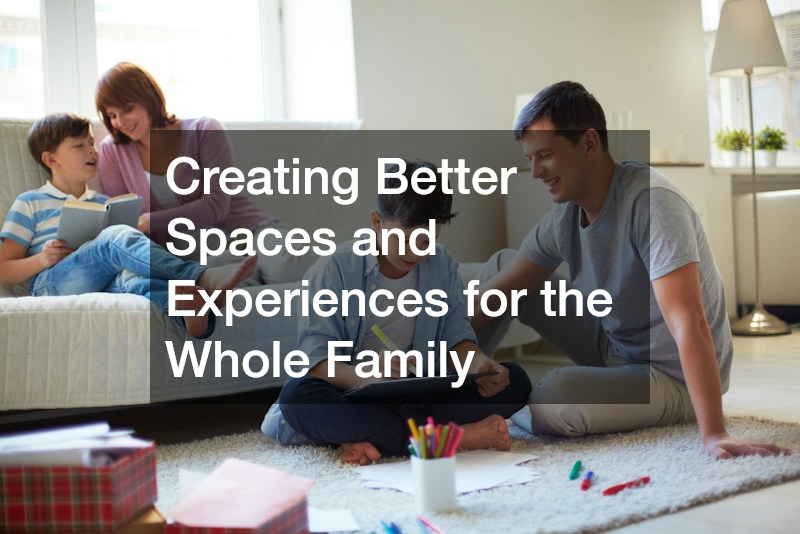
A family-friendly home is more than a place where everyone sleeps, eats, and stores their belongings. It is where children learn, parents recharge, guests gather, and everyday memories are created. When a home is thoughtfully arranged and maintained, it can make routines easier and give everyone more opportunities to enjoy their time together.
Creating a better family environment does not necessarily mean completing a major renovation or purchasing expensive furnishings. Small improvements can make rooms more functional, comfortable, and inviting. At the same time, experiences outside the home can help families spend meaningful time together and discover new interests.
From organizing clutter to maintaining essential home systems, there are many ways to create spaces and experiences that support the entire household.

Make Everyday Spaces More Functional
One of the simplest ways to improve family life is to make sure the home works for the people who use it every day. A room can look beautiful while still being difficult to navigate, especially when toys, school supplies, shoes, sports equipment, and household items accumulate.
Think about how each room is actually used. A kitchen may need an easily accessible area for children’s snacks, while an entryway may benefit from designated storage for backpacks and shoes. A living room could include baskets for toys so that children can participate in cleanup without making the process complicated.
Organization should also account for different ages and abilities. Items that children use regularly should be placed where they can safely reach them. Frequently used household supplies can have designated locations that make them easier for adults to find.
Storage containers can be particularly useful for grouping similar belongings. Families may want to buy local storage containers when they are looking for practical options while supporting nearby businesses.
The goal is not to make every room perfectly organized at all times. Instead, the goal is to create systems that are simple enough for the entire family to maintain.
Create Spaces That Encourage Learning
Children benefit from having environments where curiosity and learning are encouraged. A dedicated study area does not have to be an elaborate classroom. A small desk, comfortable chair, appropriate lighting, and accessible supplies may be enough to create a productive space for homework, reading, drawing, or other activities.
Families with younger children can also create learning opportunities throughout the home. Books can be displayed at an accessible height, while art supplies can be stored in clearly labeled containers. A kitchen can become a place for children to learn about measurements and food preparation, while a garden can introduce concepts related to plants and nature.
Choosing an educational environment outside the home can also influence a child’s daily experiences. Parents researching the best preschools can consider factors such as classroom environment, educational philosophy, teacher interaction, safety, communication, and opportunities for hands-on learning.
The most effective learning spaces are not necessarily the most elaborate. They are spaces that help children feel comfortable exploring questions, practicing new skills, and developing independence.

Consider Different Learning Styles
Every child may interact with their surroundings differently. Some children enjoy structured activities, while others thrive when they have opportunities to explore independently. Families can support different preferences by providing a variety of activities and spaces.
For example, one area might be designed for quiet reading, while another provides room for creative projects or building activities. Outdoor spaces can offer another opportunity for movement and exploration.
Educational philosophies can also vary. Some families may be interested in Montessori schools because of their emphasis on hands-on learning, independence, and carefully prepared environments. Others may prefer educational programs built around different teaching approaches.
The important consideration is how an environment supports a child’s individual development. At home, parents can reinforce this by allowing children to make age-appropriate choices about activities and giving them room to explore their interests.
Protect the Home From Unwanted Pests
A comfortable family space also needs to be a healthy and well-maintained space. Household pests can interfere with that comfort, particularly when they become a recurring problem.
Preventive maintenance can help families identify conditions that may attract pests. Food should be stored appropriately, crumbs and spills should be cleaned promptly, and garbage should be managed regularly. Leaks and sources of excess moisture should also be addressed because damp areas can create attractive conditions for certain pests.
When an infestation occurs, professional assistance may be appropriate. Depending on the issue, cockroach control can be part of a broader household pest-management strategy.
Outdoor areas deserve attention as well. Standing water around a property can contribute to mosquito activity, particularly during warmer months. Families who spend substantial time outdoors may consider professional mosquito treatment as one way to make patios, yards, and other gathering areas more comfortable.
Preventing structural pest problems is another important part of home maintenance. Regular inspections can help identify signs of wood-destroying insects before damage becomes more extensive. Professional termite treatment may be recommended when an active infestation or other termite concerns are identified.
These measures are not just about appearances. Keeping the home and surrounding property well maintained can help families feel more comfortable using the spaces they have worked to create.
Keep Essential Home Systems Comfortable
Family comfort also depends on systems that are easy to overlook when they are working properly. Heating, cooling, ventilation, and roofing all play important roles in maintaining a functional home.
Seasonal inspections can help homeowners identify potential issues before they become major disruptions. For example, checking the roof for damaged shingles, leaks, or areas of deterioration can help protect the interior of the house from water damage.
Homeowners may work with qualified roofing companies when professional inspection, repair, or replacement is needed.
Heating and cooling systems deserve similar attention. Filters should be changed according to the manufacturer’s recommendations, vents should remain unobstructed, and unusual noises or performance changes should not necessarily be ignored.
Professional HVAC contractors can inspect heating and cooling equipment, address maintenance needs, and help homeowners understand potential repairs or upgrades.
Maintaining these systems contributes to more than temperature control. Comfortable indoor conditions can make it easier for children to sleep, adults to work from home, and everyone to enjoy shared spaces throughout the year.
Make Bedrooms More Comfortable
Bedrooms should provide an opportunity to rest and recharge. For children, a comfortable bedroom can also become a place for reading, playing, studying, and developing a sense of personal space.
Start by considering the basics. A supportive mattress, comfortable bedding, appropriate lighting, and an uncluttered sleeping area can make a room more inviting. Children may also appreciate having a small selection of favorite books, stuffed animals, or other personal items within easy reach.
Families with young children may encounter occasional nighttime accidents, spills, or other messes. Protective bedding can make cleanup easier. A waterproof bed sheet or mattress protection layer can help protect the sleeping surface from moisture.
Storage is another consideration. Rather than allowing toys and clothing to spread across the floor, families can establish simple places for commonly used belongings. Low shelves, baskets, bins, and under-bed storage can all help maximize available space.
A child’s bedroom does not need to look like a showroom. It should feel like a comfortable place that reflects the child’s personality while remaining functional enough for everyday life.

Design Outdoor Areas for Family Time
Outdoor spaces can significantly expand the ways a family uses its property. A backyard, patio, balcony, or nearby park can provide opportunities for physical activity, relaxation, meals, and social gatherings.
A family-friendly outdoor area might include comfortable seating, a table for meals, lighting for evenings, and open space for games. Families with children can designate areas for activities such as drawing with sidewalk chalk, playing outdoor games, gardening, or riding bicycles.
Safety should remain a priority. Walkways should be kept clear, outdoor equipment should be inspected regularly, and pools or other potential hazards should be appropriately secured.
Families do not necessarily need a large yard to create memorable outdoor experiences. Even a small patio can become a place for weekend breakfasts, evening conversations, or reading together.
The same principle applies when families travel. Experiencing a new environment together can provide a break from normal routines and create opportunities for shared discovery.
Plan Experiences Beyond the Home
Creating better family experiences is not limited to improving physical spaces. Families can also be intentional about how they spend their free time.
Outdoor adventures, cultural activities, sporting events, museums, community festivals, and recreational activities can all provide opportunities to spend time together. The best choice will depend on the family’s interests, ages, budget, and available time.
For families who enjoy being on the water, a luxury sailboat charter can provide a distinctive setting for a group outing or vacation experience.
Travel does not always have to involve a packed schedule. In fact, leaving room for unplanned activities can sometimes make an experience more enjoyable. A family might spend one afternoon exploring a new neighborhood, visiting a local restaurant, or simply relaxing at a park.
The objective is to create shared experiences rather than constantly filling every minute of the day.
Give Everyone a Place to Unwind
Family members need time together, but they also need opportunities to have personal space. A well-designed home can accommodate both.
Adults might benefit from a quiet reading chair, home office, hobby area, or outdoor seating area. Children may appreciate having a small corner where they can play independently or work on creative projects.
Shared spaces can remain flexible. A dining table can function as a place for meals, homework, crafts, and family games. A living room can support movie nights while also providing space for reading or conversation.
Rather than assigning every room a single purpose, families can consider how spaces can serve multiple needs throughout the day.
This approach can be especially helpful in smaller homes. Furniture that provides storage, foldable tables, modular seating, and movable organizers can help a room change as the family’s needs change.
Build Family-Friendly Routines
Even a beautifully organized home will become difficult to maintain without practical routines. Family routines do not need to be complicated. A few consistent habits can make a noticeable difference.
For example, children can put toys away before bedtime, family members can return shoes and backpacks to designated areas, and everyone can participate in a short weekly cleanup.
Meal planning can also make daily life easier. Setting aside time to prepare ingredients, plan lunches, or organize groceries may reduce stress during busy weekdays.
Maintenance routines are equally important. Homeowners can keep track of tasks such as changing HVAC filters, checking smoke detectors, inspecting exterior areas, cleaning gutters, and scheduling professional inspections when appropriate.
When responsibilities are shared, maintaining the home becomes less dependent on one person. Children can learn responsibility through age-appropriate chores, while adults can divide larger tasks according to schedules and abilities.
Make Family Spaces Evolve
A home that works well for a family today may need to change in the future. Babies become toddlers, toddlers become school-age children, and eventually children become teenagers and young adults.
Furniture, storage, study areas, and recreational spaces may need to evolve along the way. Rather than designing every room around a single stage of childhood, families can prioritize flexible solutions.
Adjustable furniture, versatile storage, neutral foundational pieces, and movable decorations can make it easier to update a room without starting over.
The same principle applies to family experiences. Interests change over time, and activities that once excited everyone may eventually be replaced by new hobbies and traditions.
Being willing to adapt allows a family home to grow alongside the people who live there.
Create More Meaningful Family Experiences
Ultimately, better family spaces are not about having the largest home, the newest furniture, or the most impressive amenities. They are about creating an environment where people can comfortably live, connect, learn, rest, and enjoy time together.
Small improvements can have a meaningful impact. A better-organized entryway can make mornings easier. A comfortable reading corner can encourage children to pick up a book. A well-maintained yard can become the setting for weekend games. A comfortable living room can bring everyone together for a movie or conversation.
Regular maintenance can protect those spaces, while intentional planning can create experiences that families remember long after the day is over.
When homes are designed around the needs of the people who use them, everyday life can become more comfortable and manageable. By combining thoughtful organization, reliable maintenance, flexible spaces, and meaningful activities, families can create an environment that supports everyone through the many stages of life.
